

Responding to Community Needs
Neighborhood
Services Unit
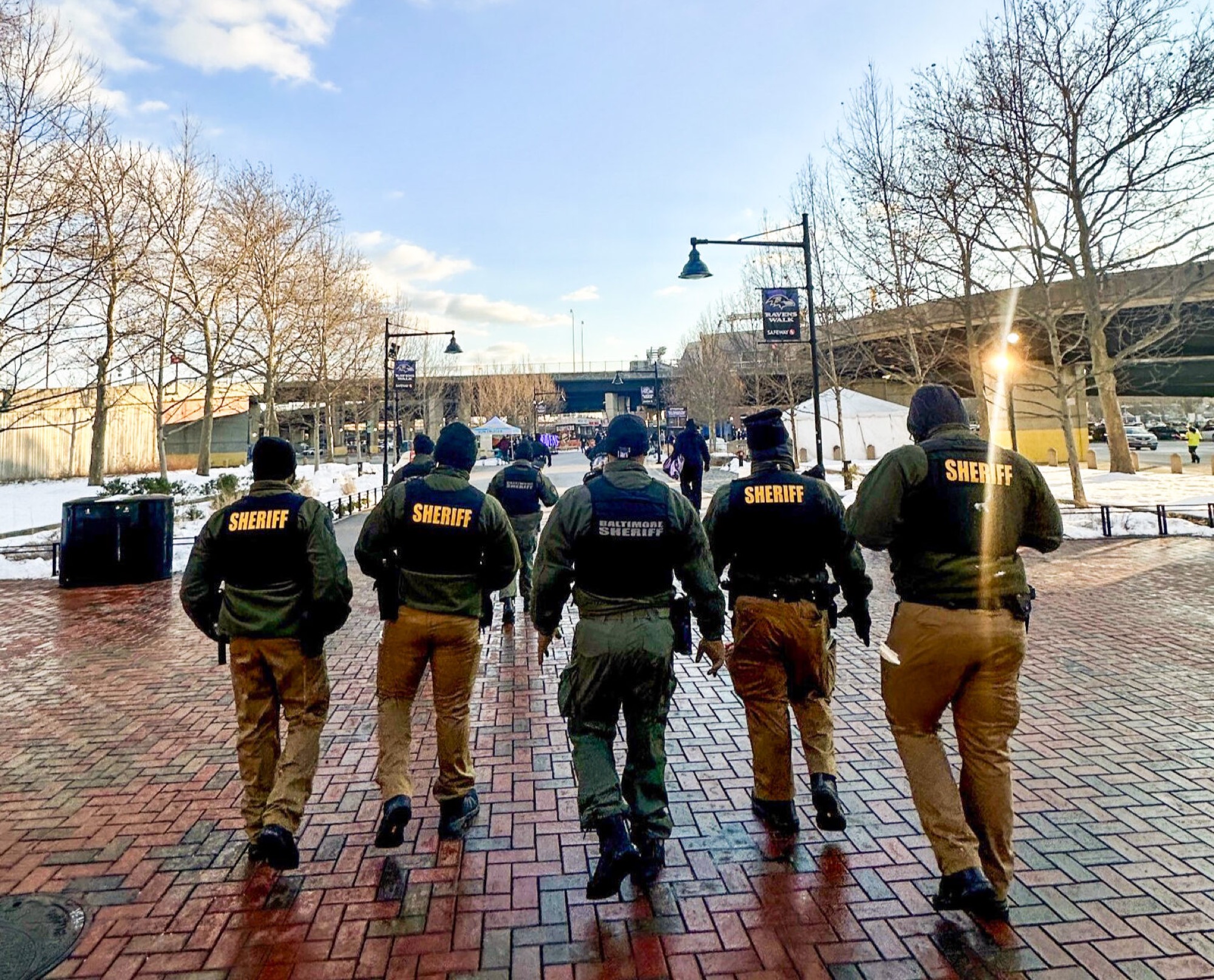
To promote responsible business practices, reduce nuisances, and increase safety in neighborhoods across Baltimore, the Baltimore City Sheriff’s Office (BCSO) has established the Neighborhood Services Unit.
About the Neighborhood Services Unit
The NSU ensures that businesses comply with alcohol, tobacco, and cannabis laws. The unit also performs other duties as directed by the Sheriff—giving it the flexibility to respond to a wide range of community needs. Through collaboration and accountability, the Sheriff’s Office is taking an active role in strengthening public safety and fostering more vibrant, responsible neighborhoods across Baltimore.
NSU Services
The BCSO ensures that liquor sellers comply with the rules of their license, including the prohibition of underaged drinking. The NSU allows the BCSO to fill public safety gaps related to the violation of liquor laws.
Illegal dumping is a serious offense that harms the environment, threatens public health, and undermines the quality of life in our communities. Defined as the disposal of solid waste at any location other than an approved facility, it creates blight and safety concerns across Baltimore. The NSU is developing targeted strategies to address and investigate illegal dumping complaints, working to hold offenders accountable and maintain cleaner, healthier neighborhoods for all residents.
The NSU is equipped with a flatbed tow truck and staffed by specially trained operators to respond to community complaints involving abandoned or hazardous vehicles. The unit works to remove vehicles that pose safety or health risks and to keep Baltimore’s streets clear and accessible. A vehicle may be considered abandoned and subject to towing if it shows signs such as visible damage, missing parts, expired or missing tags, or if it has remained in the same location for more than 48 hours.
The BCSO’s Bicycle Education and Registration program, or B.E.A.R., aims to reduce the number of bicycles stolen in Baltimore City and to increase the number of stolen bicycles recovered. City residents can proactively register their bicycle and immediately initiate a law enforcement and community response if their bike gets stolen.
Cannabis may be used for recreational and medical purposes, and is available from licensed dispensaries across Maryland. However, certain rules apply, regulating who can use it and where. Cannabis may only be used and grown by people 21 and over on private property. Driving while using cannabis is illegal and can potentially result in a driving while under the influence (DUI) arrest. The NSU has the authorization to enforce cannabis laws across Baltimore City.
Human trafficking can lead to exploitation and prostitution, bringing serious consequences for individuals and the neighborhoods where they occur—including increased crime and safety concerns for residents. The Baltimore City Sheriff’s Office is committed to raising awareness, supporting victims, and connecting them with trusted local and national resources.
If you or someone you know may be a victim of trafficking, please reach out to one of these organizations or contact the Baltimore City Sheriff’s Office for guidance and assistance.
- National Human Trafficking Hotline: 888-373-7888
- University of Maryland SAFE Center: 301-314-7233 or safecenter@umaryland.edu
- Baltimore’s Blue Dot Program—a response initiative led by Mercy Medical Center that provides access to trained healthcare, social service, and law enforcement professionals: 410-396-2273
Get in Touch
Partner with the NSU
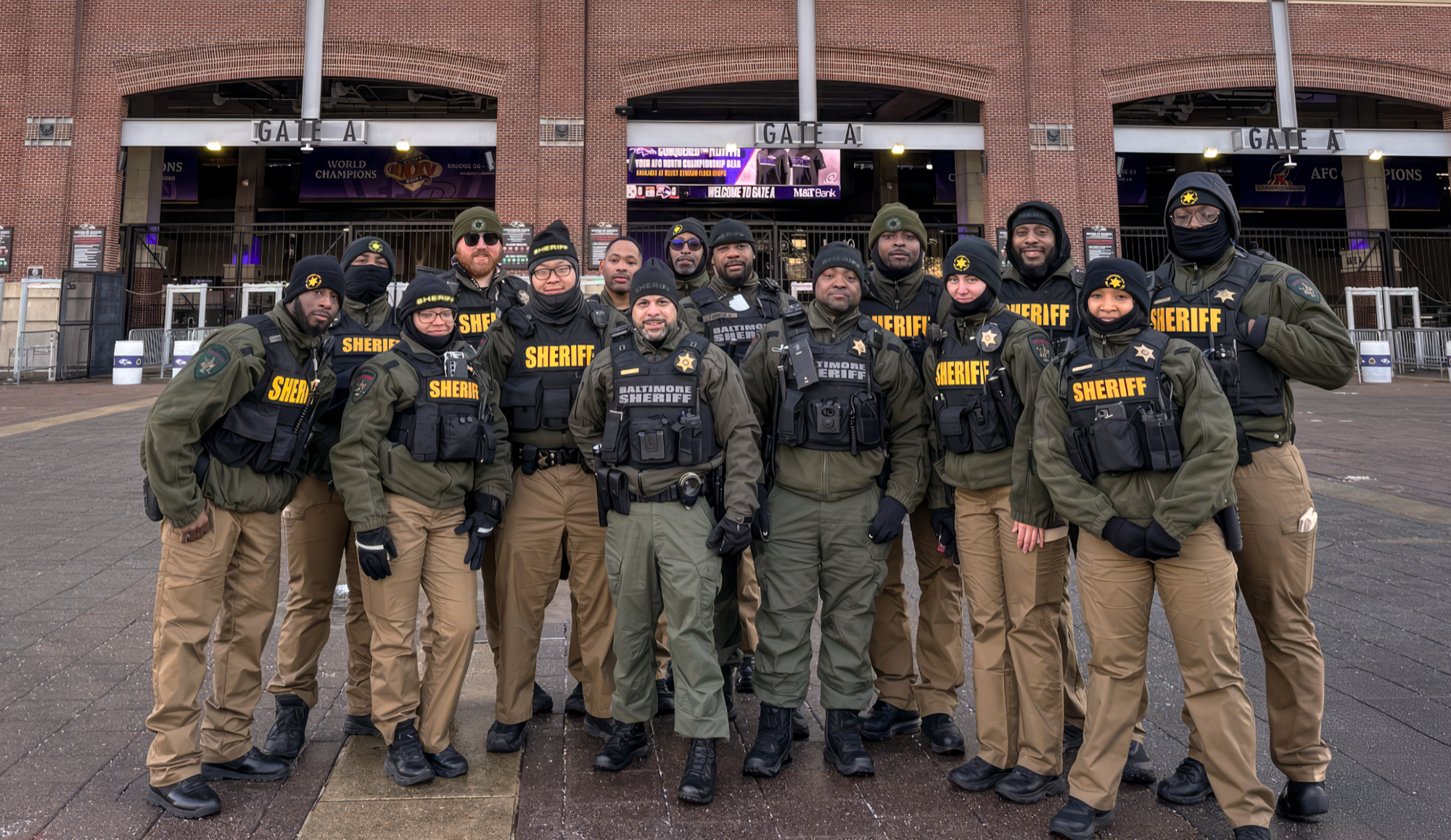
Community engagement is the catalyst for building a safer Baltimore. The Neighborhood Services Unit (NSU) is committed to working hand-in-hand with residents, businesses, and community organizations to create productive, community-focused partnerships.
The NSU is available to:
- Participate in community events to help foster a safe and welcoming environment.
- Assist residents and businesses with security surveys to strengthen safety and awareness.
- Support educational programs in schools, including the D.A.R.E. program.
- Join community initiatives such as toy drives and National Night Out to promote trust and collaboration.
Press
Maryland Matters
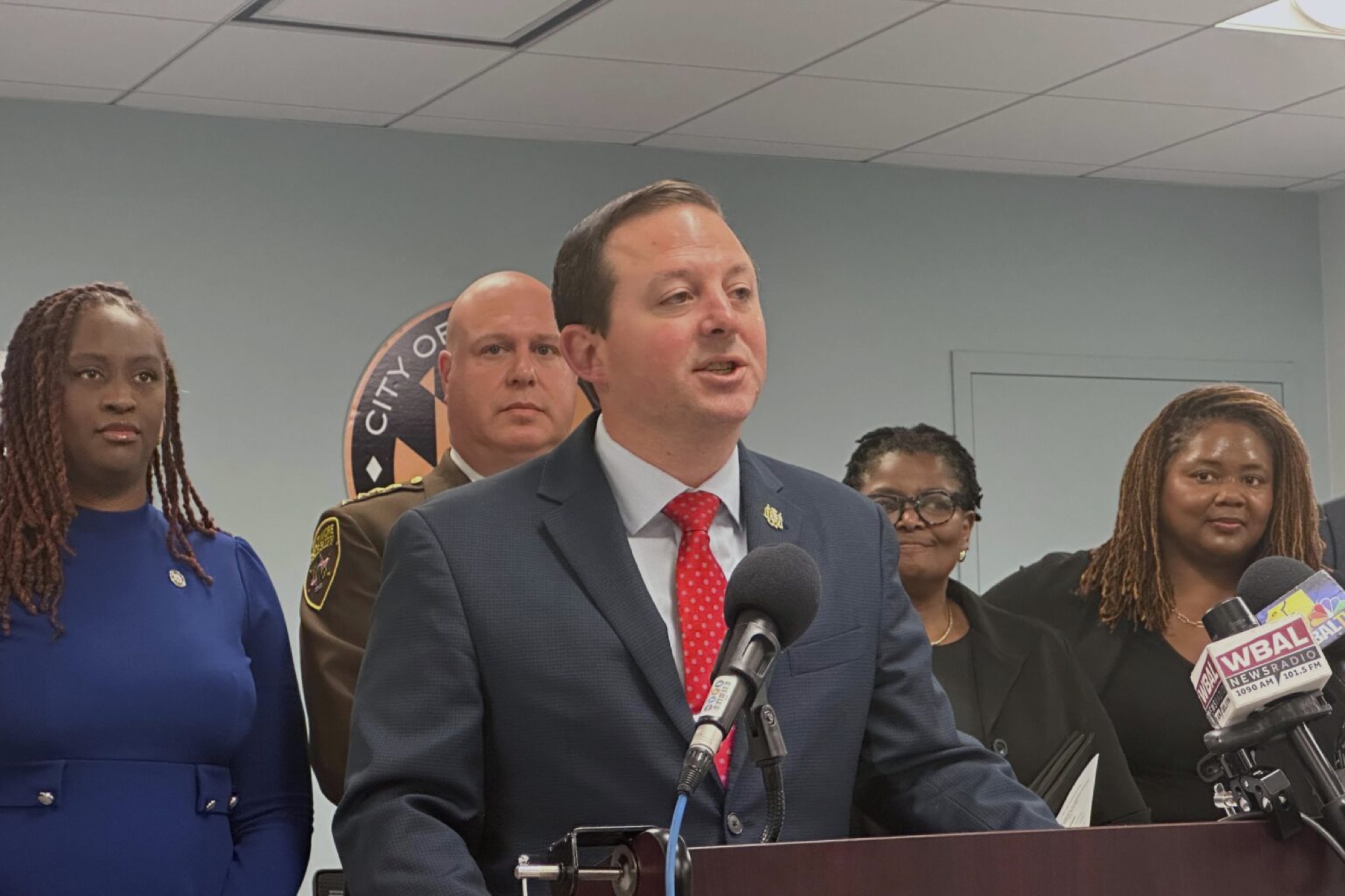
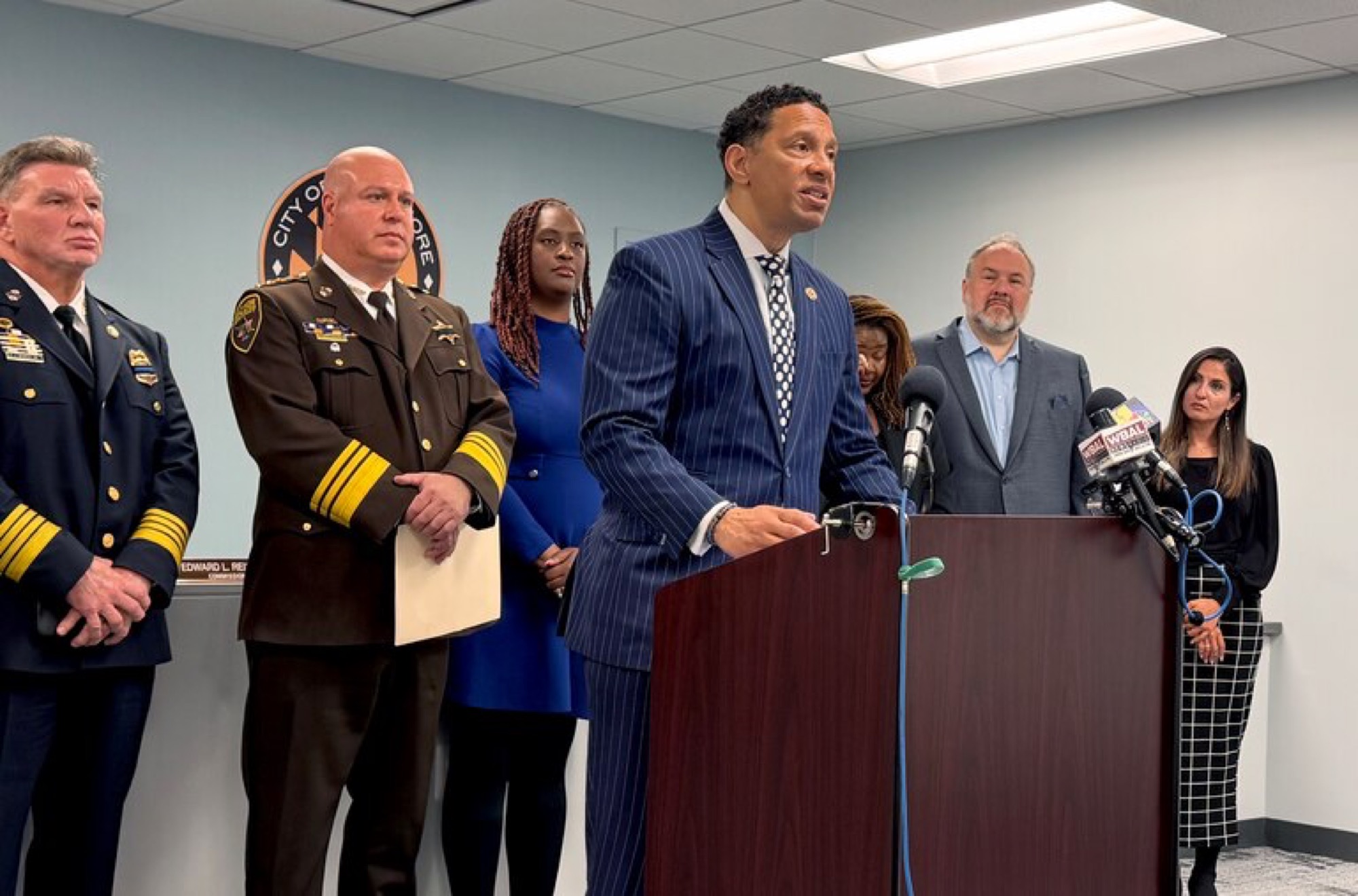
Baltimore officials announce a new sheriff’s office unit to crack down on ‘nuisance’ liquor stores.
WBAL
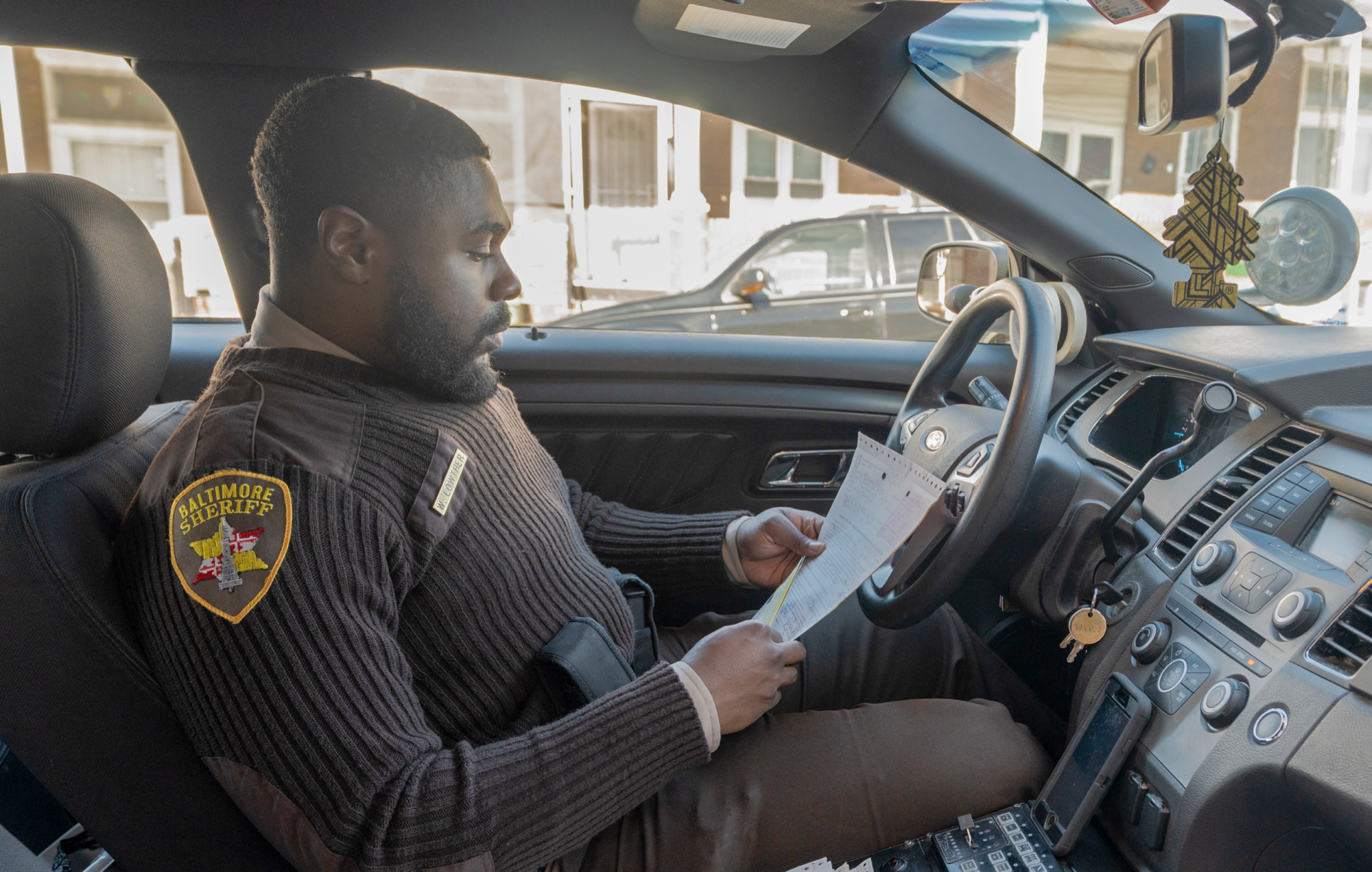
Here’s when Baltimore’s new neighborhood services unit could start patrolling the streets.
The Baltimore Banner
A new sheriff’s unit is being created to enforce Baltimore’s liquor laws.
WBAL
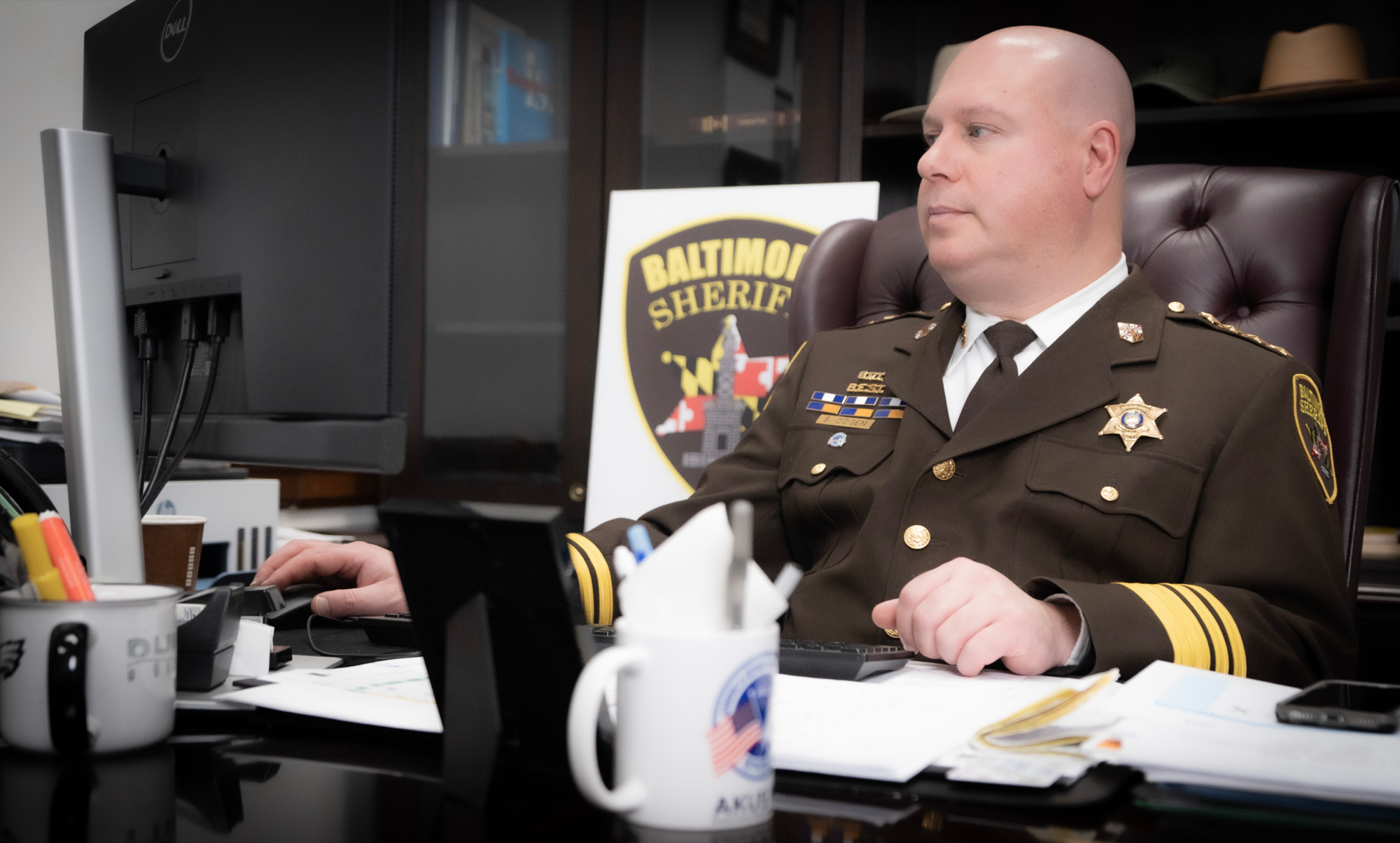
Sheriff Sam Cogen Outlines New Alcohol Enforcement Partnership in Baltimore.
The Baltimore Sun
Baltimore leaders create a unit to stop nuisance liquor retailers.