

Caring for Residents With Substance Use Disorder
Narcan Community Training
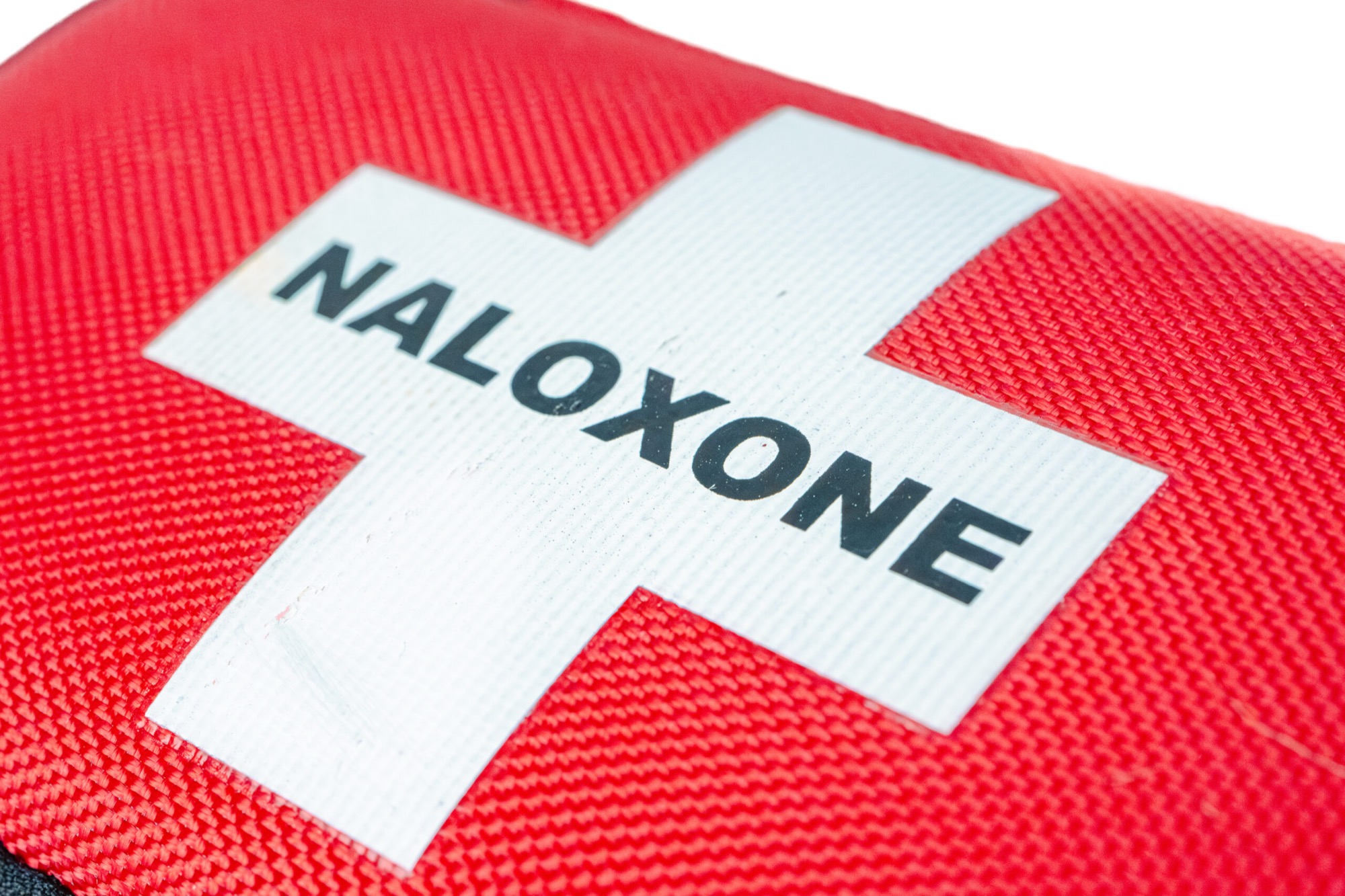
In partnership with Love In The Trenches (LITT)—the Baltimore City Sheriff’s Office is working to support those affected directly and indirectly by substance use disorder. By carrying Narcan and undergoing regular CPR/AED training, our deputies are better prepared to keep our city safe and healthy.
About Love In The Trenches
Love In The Trenches is a Baltimore-based organization offering support groups, recovery resources, private peer support, and education to parents of those who suffer with substance use disorder and to individuals who have lost a child to this disease. Visit their site to request Narcan, explore recovery resources, or learn more about grief and support groups.
Signs of an Overdose
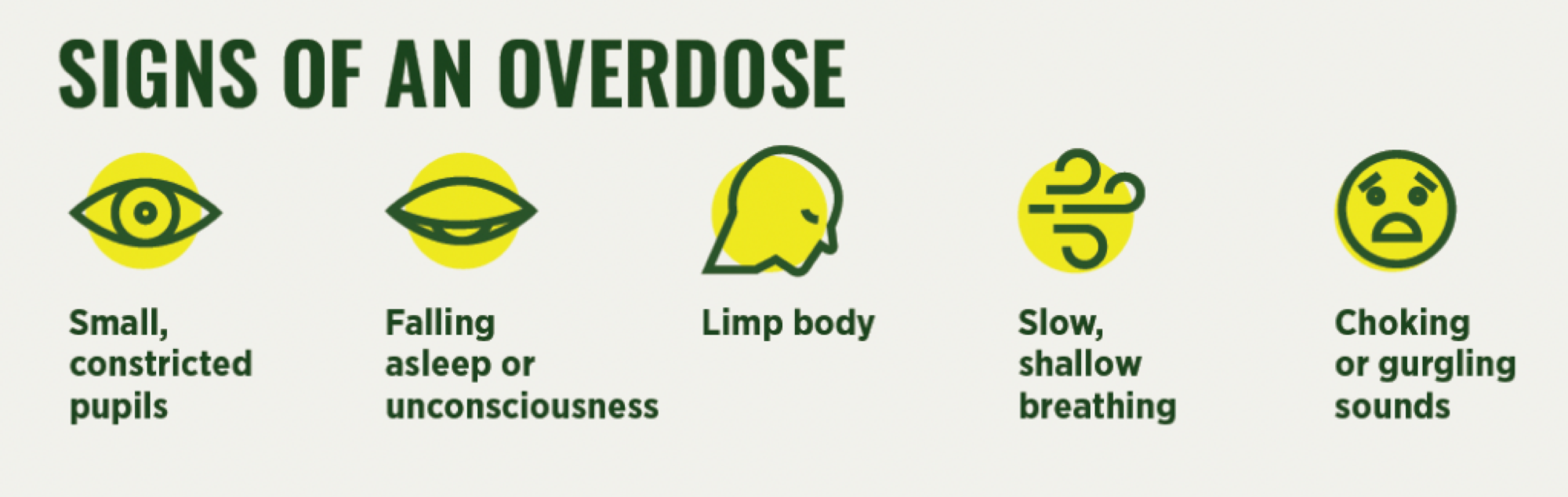
Following overdose, a person’s breathing may be dangerously slowed or stopped, resulting in brain damage or death. It’s important to recognize these signs and to act fast, even before first responders arrive. Source: CDC
What is Narcan?
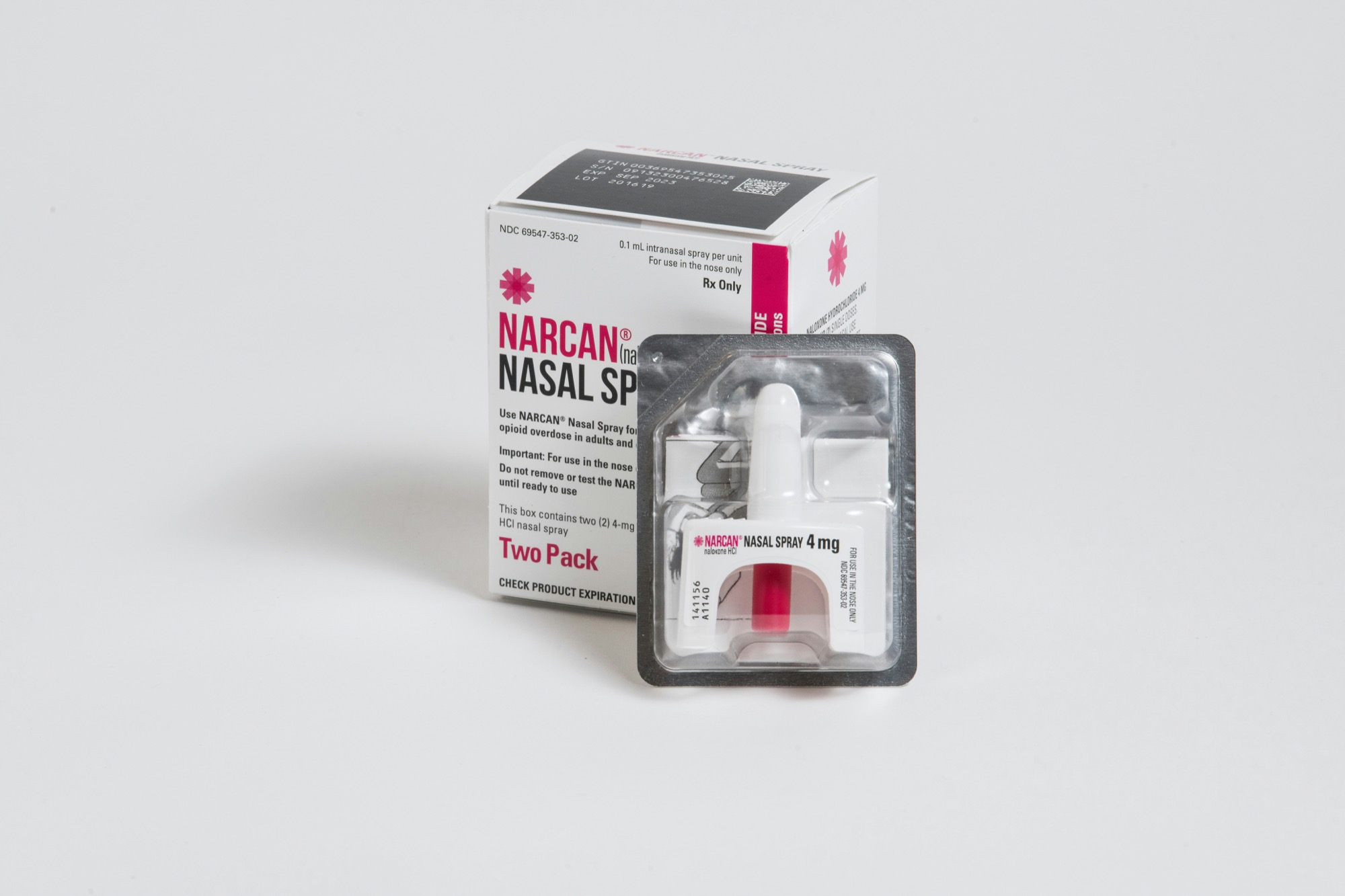
Narcan (also known as naloxone) nasal spray is used for emergency treatment of opioid overdose. It’s important to know that Narcan only works on opioids, like fentanyl, heroin, oxycontin/oxycodone, and other opioid-based pain medications. It’s important to know that Narcan will not hurt someone who is overdosing on something besides opioids. If you suspect that fentanyl or other opioids were mixed into whatever caused the overdose, Narcan may help reverse symptoms of opioid overdose. Emergency services are still needed to help someone who has overdosed on non-opioids.
What to do if someone overdoses?
1. CALL 911
Call for help right away. Under Maryland’s Good Samaritan laws, anyone can seek emergency medical care without fear of arrest or imprisonment. If you are with someone who has used drugs or you have used drugs yourself, you will not get in trouble by doing the right thing.
2. GIVE NARCAN ASAP
To deliver the Narcan, open the package and insert the tip into their nostril. Firmly press the plunger to release the dose. In some cases, a second dose may be necessary 1-3 minutes after the first does if they aren’t responding. Try to keep the person awake and breathing. You may need to lay them on their side to prevent choking.
3. STAY UNTIL HELP ARRIVES
Remember, you will not get in trouble. By sharing everything you saw and did to help the person overdosing, emergency personnel can respond accordingly by delivering additional Narcan or getting the person to a hospital.