

Tips & Resources
Landlord Eviction Assistance
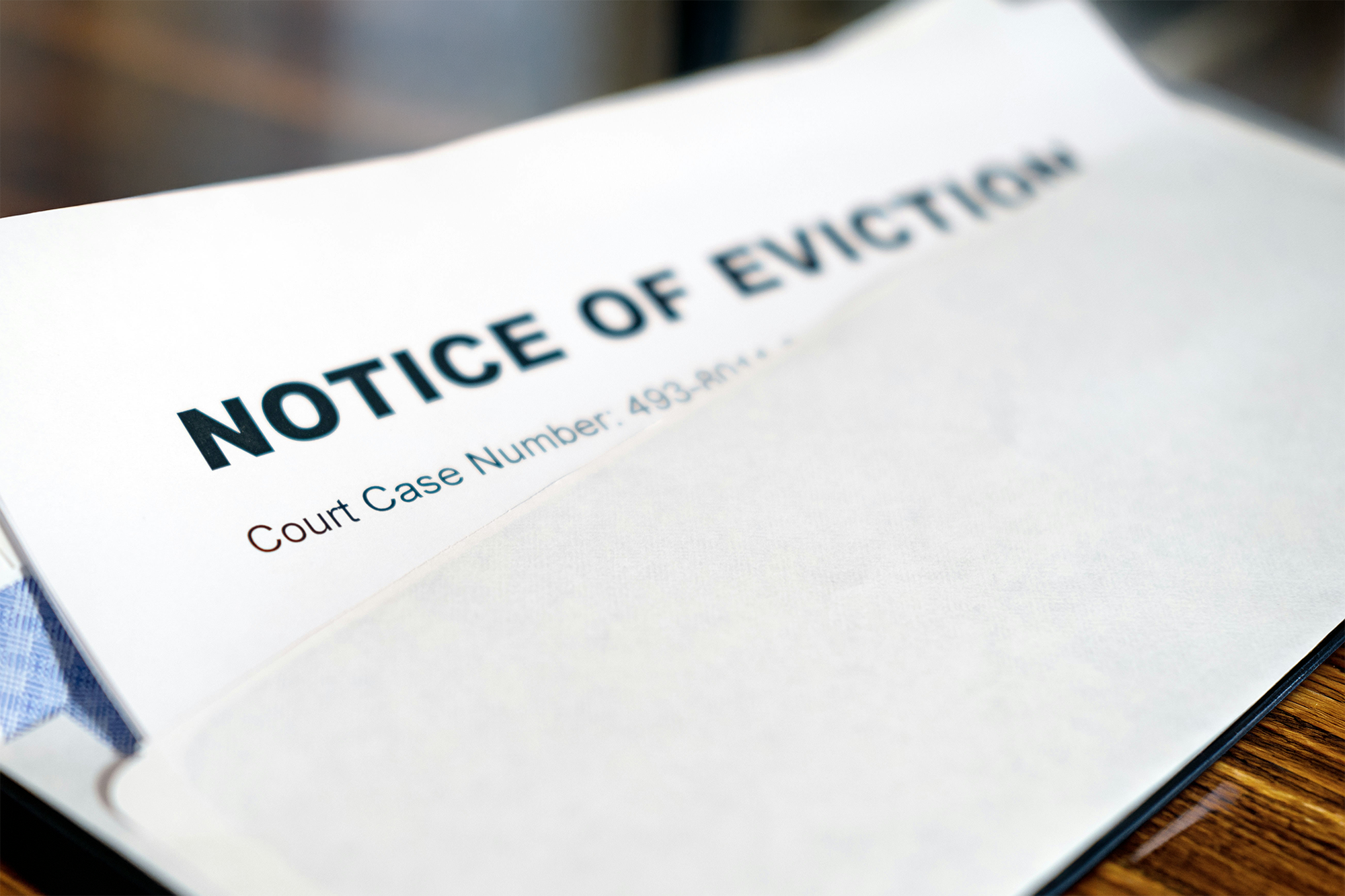
Evictions can be challenging. There are a number of strict requirements and laws you must follow in order to move on from tenants who’ve breached their lease agreement. First, eviction is impossible without a court order. Once a judge decides that eviction is the only path forward, you must provide notice to any and all affected tenants. Familiarizing yourself with the eviction process is a great way to ensure any eviction you’re involved in goes smoothly. The Baltimore City Sheriff’s Office (BCSO) is here to help with resources and up-to-date information.
In Maryland, legal grounds for eviction include the failure of tenants to:
- Pay rent when it’s due.
- Move out after the lease has ended.
- Observe the terms of the lease.
How the Eviction Process Works
1. Initiating an Eviction
Send a “10-Day Notice for Nonpayment of Rent” (form DC-CV-115) to your tenant, informing them they must pay the overdue balance within 10 days of receipt or face legal action.
If your tenant doesn’t pay the overdue balance in time, you may file a “Failure to Pay Rent” complaint (form DC-CV-082) with the District Court. You’ll need your rental license and lead certificate to complete this process.
A court date will be set. Both you and your tenant will have the opportunity to present your case, and the judge will make a ruling. If the judge rules in your favor, you will be able to move along to the next step in the process. If you do not bring proper documentation for your case, it may be postponed or dismissed. Be sure to bring along the following: filing paperwork, property registration number, lead certification number, tenant names, and the ability to certify that your tenant is not in the military.
Next, the judge will order a Warrant of Restitution, instructing the BCSO to evict the tenant. A signed Warrant of Restitution will be mailed to both you and the tenant(s). Remember, eviction can’t be used to retaliate for complaints or lawsuits.
2. Scheduling Eviction
Landlords should work with the Sheriff to schedule an eviction, typically 5-10 days after a Warrant of Restitution is signed by a judge. Eviction must be scheduled far enough in advance for the landlord to provide sufficient notice to the tenant(s). See step 3 for notification guidelines. Have the case number and address ready when you contact the Sheriff’s Office.
3. Notify Tenant(s) of Eviction Date
You must provide notice of the eviction date in two separate ways:
- By First-Class Mail with a certificate of mailing, at least 14 days before the scheduled eviction. Count the day you mail the notice as Day 1. Day 14 must be the day before the scheduled date of eviction, and be sure to count holidays and weekends. These requirements do not apply to evictions for tenants staying past the end of a lease, breach of lease, wrongful detainer, or nuisance.
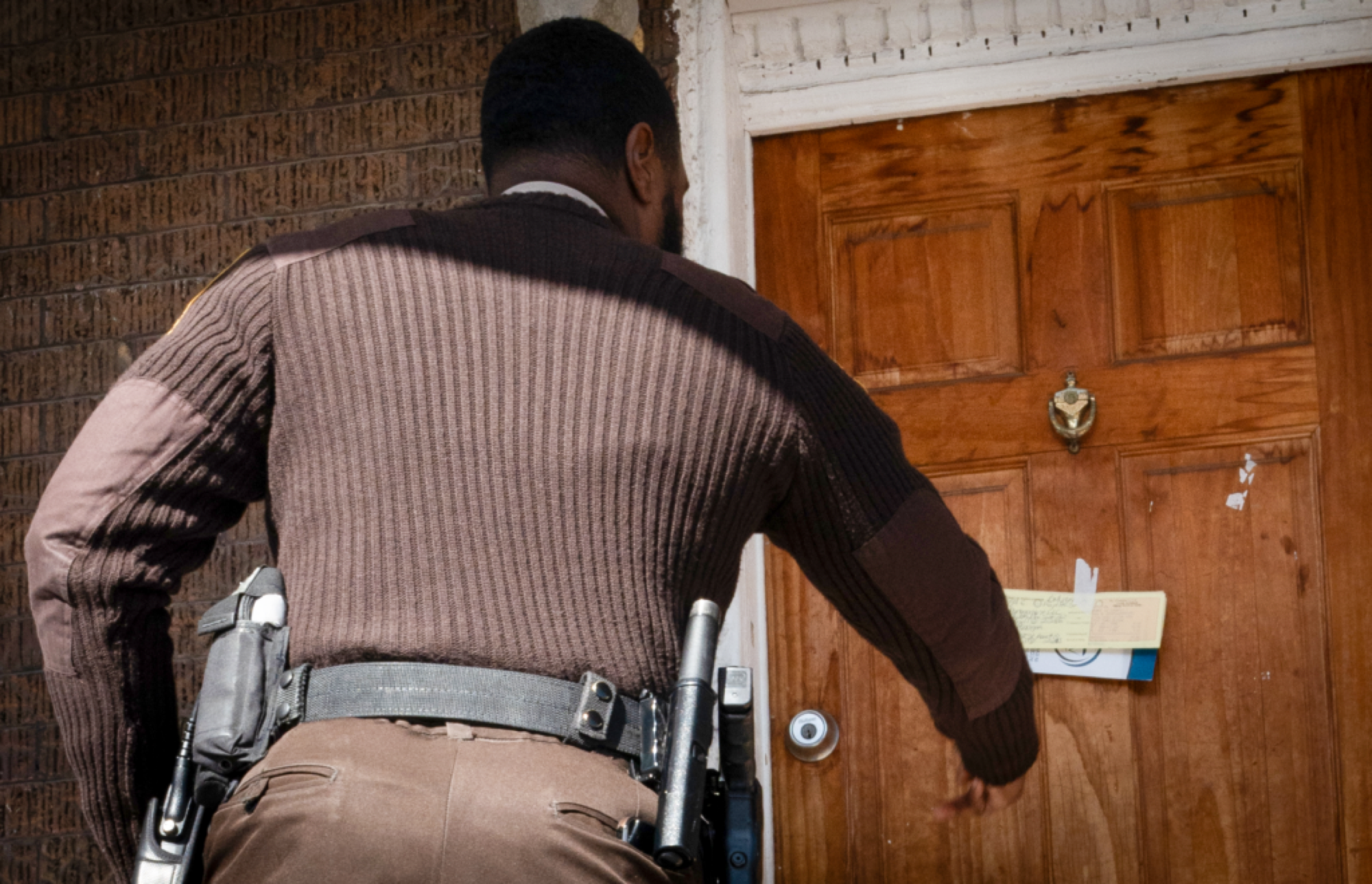
- By posting notice on the premises, at least 7 days before the scheduled eviction.
Best Practices for Posting Notices
We recommend posting the notice on the front door of the rental property. It should be easy for the tenant to find and read. Retain a copy of the notice, the original certificate of mailing, and an original signed affidavit from the person who posted the premises.
What Should the Notice Say?
The District Court case number, the scheduled date of eviction, language stating that the eviction will occur on a specific date unless the tenant moves or pays the amount ordered by the court. Prominently warn tenants that any property left will be considered abandoned and may be disposed of. Also be clear that this is the final notice of eviction.
4. Tenant Options Ahead of Eviction
Before the scheduled eviction, your tenant has two options:
- They can “pay and stay.” Unless prevented by the judge, tenants may be able to pay the amount ordered with cash, a certified check, or money order.
- Move out. The only way for tenants to protect their belongings is by moving them out before the eviction date.
5. At the Eviction
On the scheduled eviction date, the Sheriff will arrive to oversee one of the following scenarios. Reminder: It’s illegal to begin the eviction process before the Sheriff’s arrival.
- You (the landlord) or an agent must be present to change the locks on the property and take back possessions.
- If the tenant is present and has the right to “pay and stay,” the Sheriff will require the acceptance of payment and the eviction will be cancelled.
- The Sheriff’s Office representative will verify that the sufficient notice was provided to tenants.
Tenants may challenge whether the appropriate notices were properly sent. If the Sheriff has doubts, the issue will be referred back to a Baltimore City judge, who will decide whether the eviction is cancelled or not.
6. Property Disposal
At the start of an eviction, all of the belongings in the tenant’s property are by law decreed abandoned and may be disposed of. Call 911 to report tenants re-entering units after eviction.
It is illegal to dump abandoned property on any public setting, like streets, sidewalks, or alleys. Landlords must dispose of abandoned property by transporting it to a landfill, donating it, or other lawful means.
Legal Assistance & Resources For Landlords
Schedule an eviction or request assistance from the Baltimore City Sheriff’s Office online or by calling 410-396-7412.
Maryland District Court Help Center
501 East Fayette St., 3rd Floor
Baltimore, MD 21202
410-260-1392
Walk-ins welcome Monday-Friday from 8:30 a.m.–4:30 p.m.
Online chat available.
Maryland Multi Housing Association, Inc.
11155 Dolfield Boulevard Suite 200
Owings Mills, Maryland 21117
410-825-6868
Information, education, and assistance available.
*The information contained herein is not legal advice and is not a substitute for, and does not replace the advice or representation of, a licensed attorney.